Food & Dining Facilities
Food scraps and compostable organic materials generated by kitchens, cafeterias, dining operations, and food service areas.
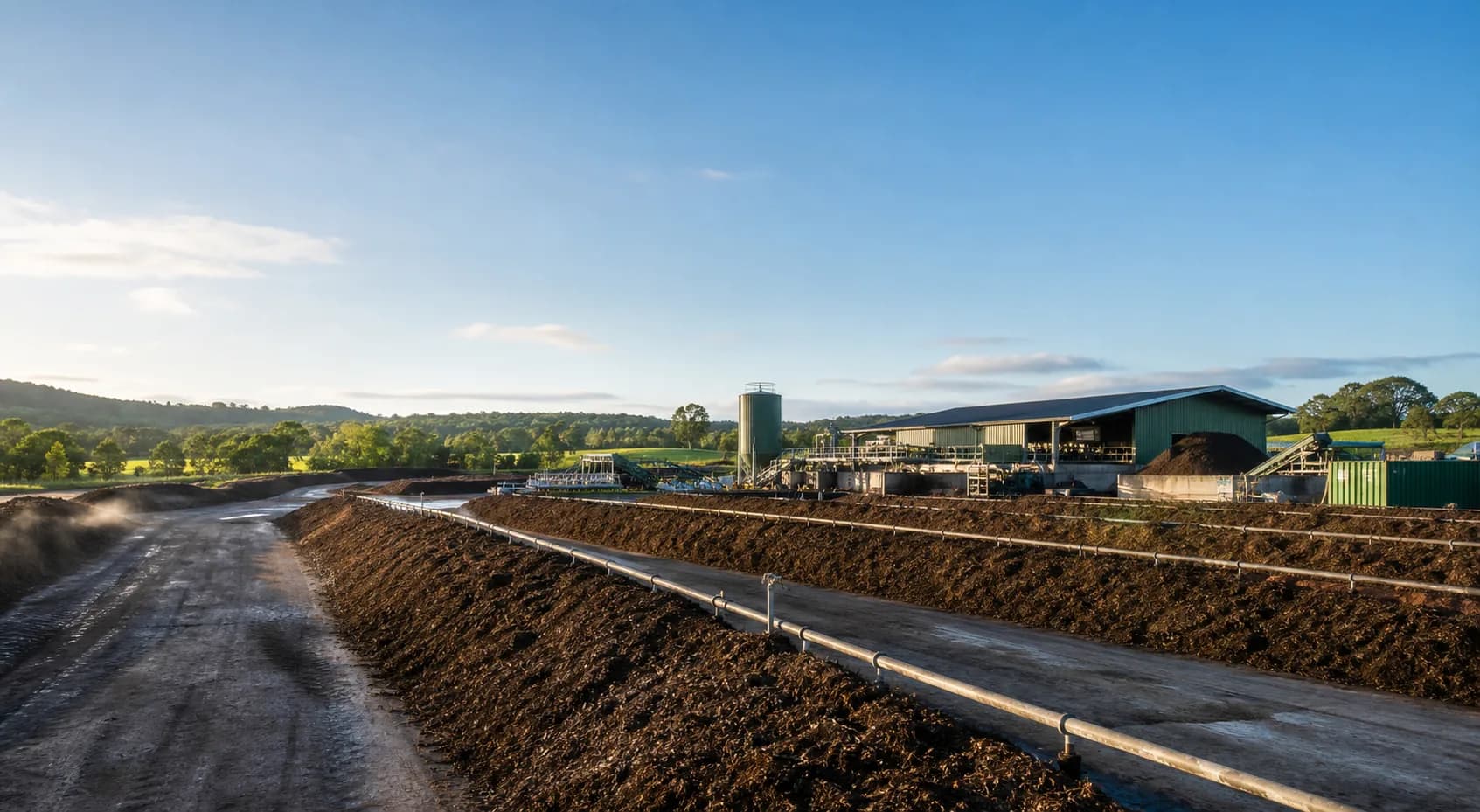
Green Compost Research and Development Center
Advancing sustainable organic waste management through composting, research, development, and responsible resource recovery.
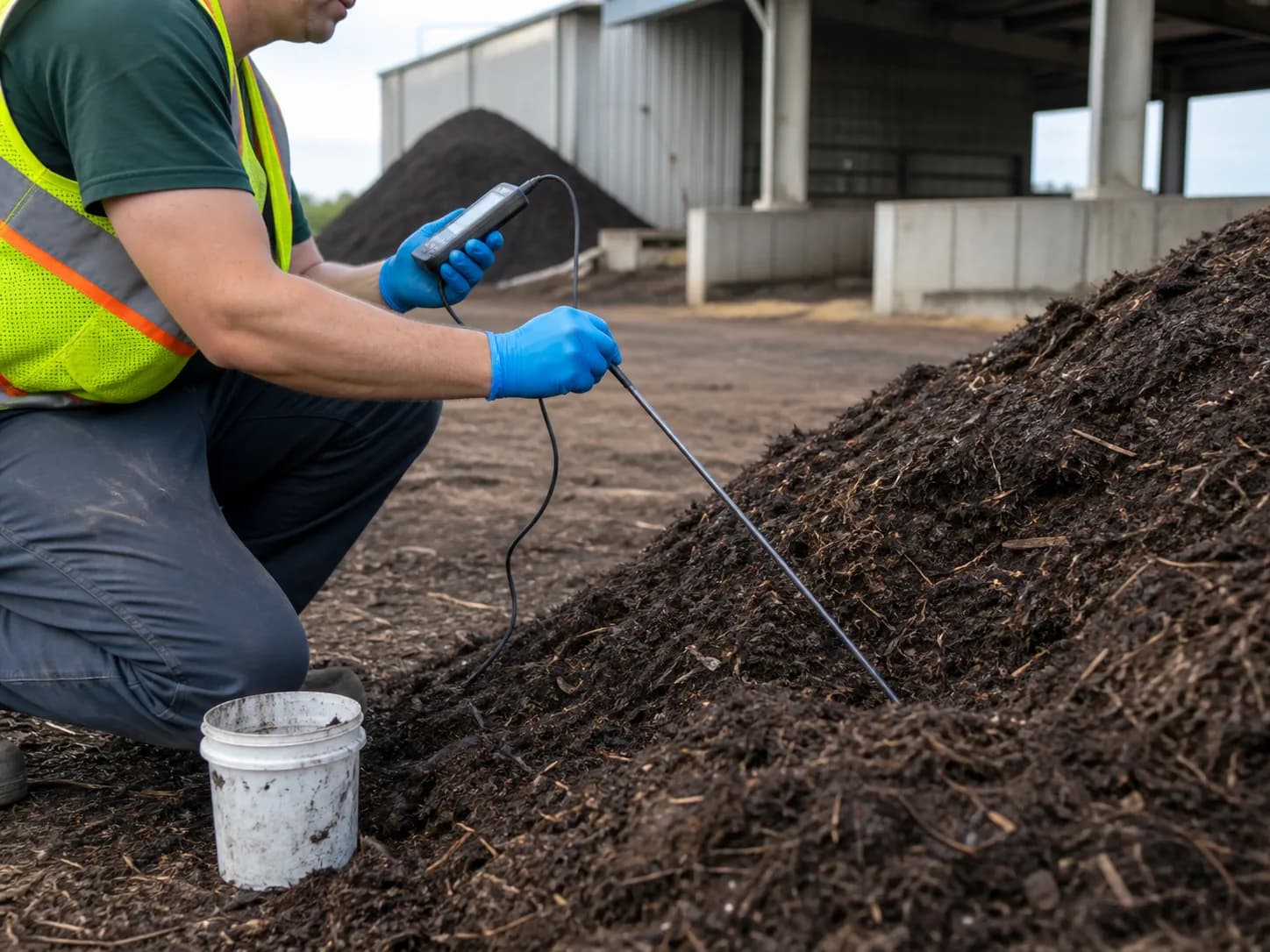
Facility Overview
Green Compost Research and Development Center is dedicated to advancing sustainable organic waste management through practical composting operations, research, development, and continuous improvement.
The center transforms biodegradable materials into valuable compost while supporting responsible resource recovery, environmental learning, and the development of better composting practices.
The facility spans approximately 3 Acres and has the capacity to process up to 1,200 Tons of organic material annually.
3Acres
Facility Area
1,200Tons
Annual Processing Capacity
9,000,000lbs
Produce Supported Annually
70%
Waste Diversion Goal
Organic Waste Sources
A wide range of biodegradable materials can be recovered and redirected from disposal into the composting process.
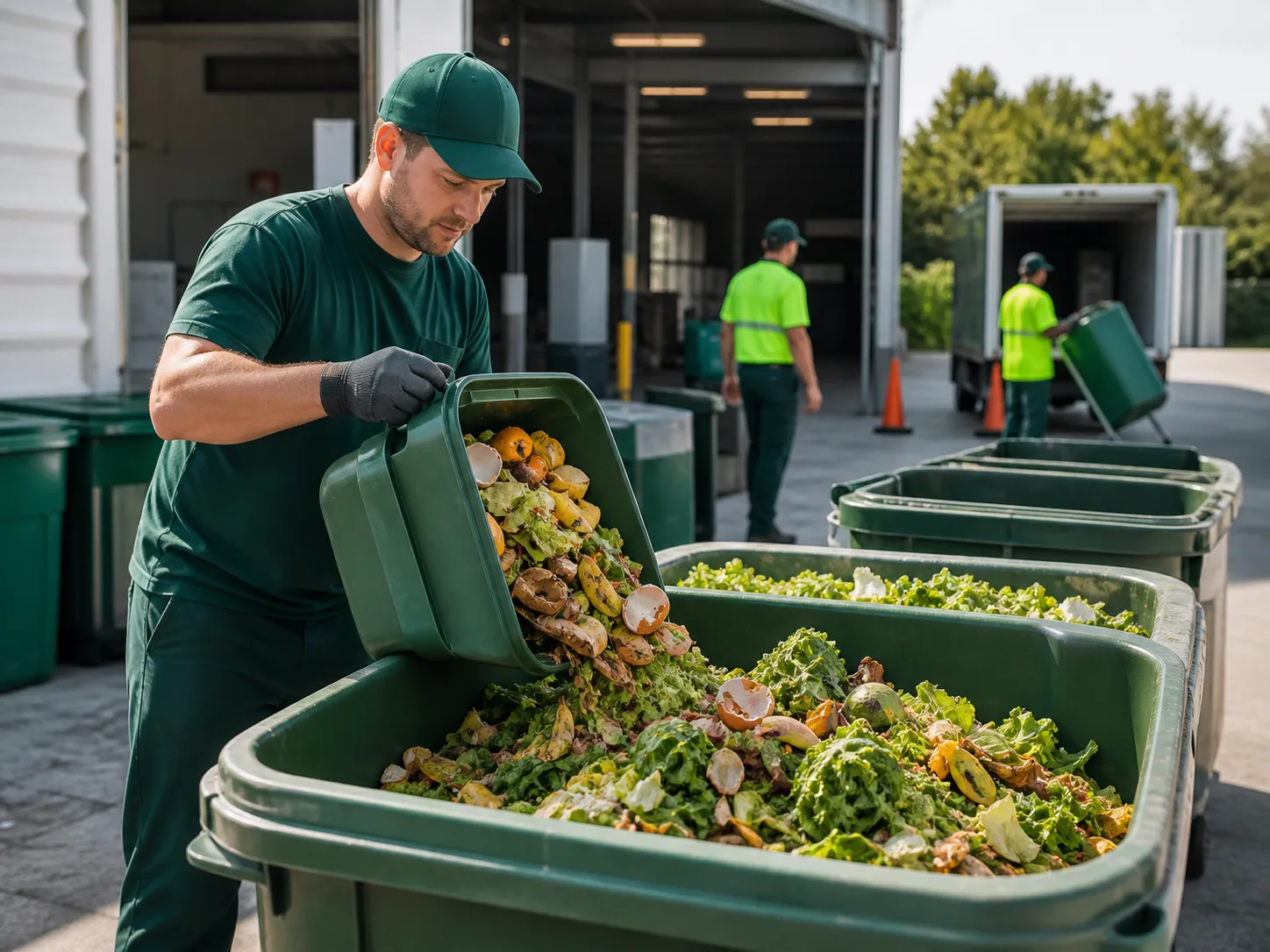
Food scraps and compostable organic materials generated by kitchens, cafeterias, dining operations, and food service areas.
Organic materials collected through workplace waste diversion and responsible disposal programs.
Compostable materials generated by residential buildings, accommodation facilities, and shared living environments.
Organic waste generated by public spaces, recreational facilities, community areas, and shared-use buildings.
Leaves, plant material, grass clippings, and other biodegradable materials generated through landscape maintenance.
Organic waste collected from sporting activities, public gatherings, festivals, and large-scale events.
Organic by-products generated through food preparation and food production activities.
Compostable materials recovered through short-term events, institutional programs, and community activities.
Composting Process
01
Organic materials are collected from designated sources and delivered to the composting facility.
02
Incoming material is inspected, sorted, and prepared to create an effective composting mixture.
03
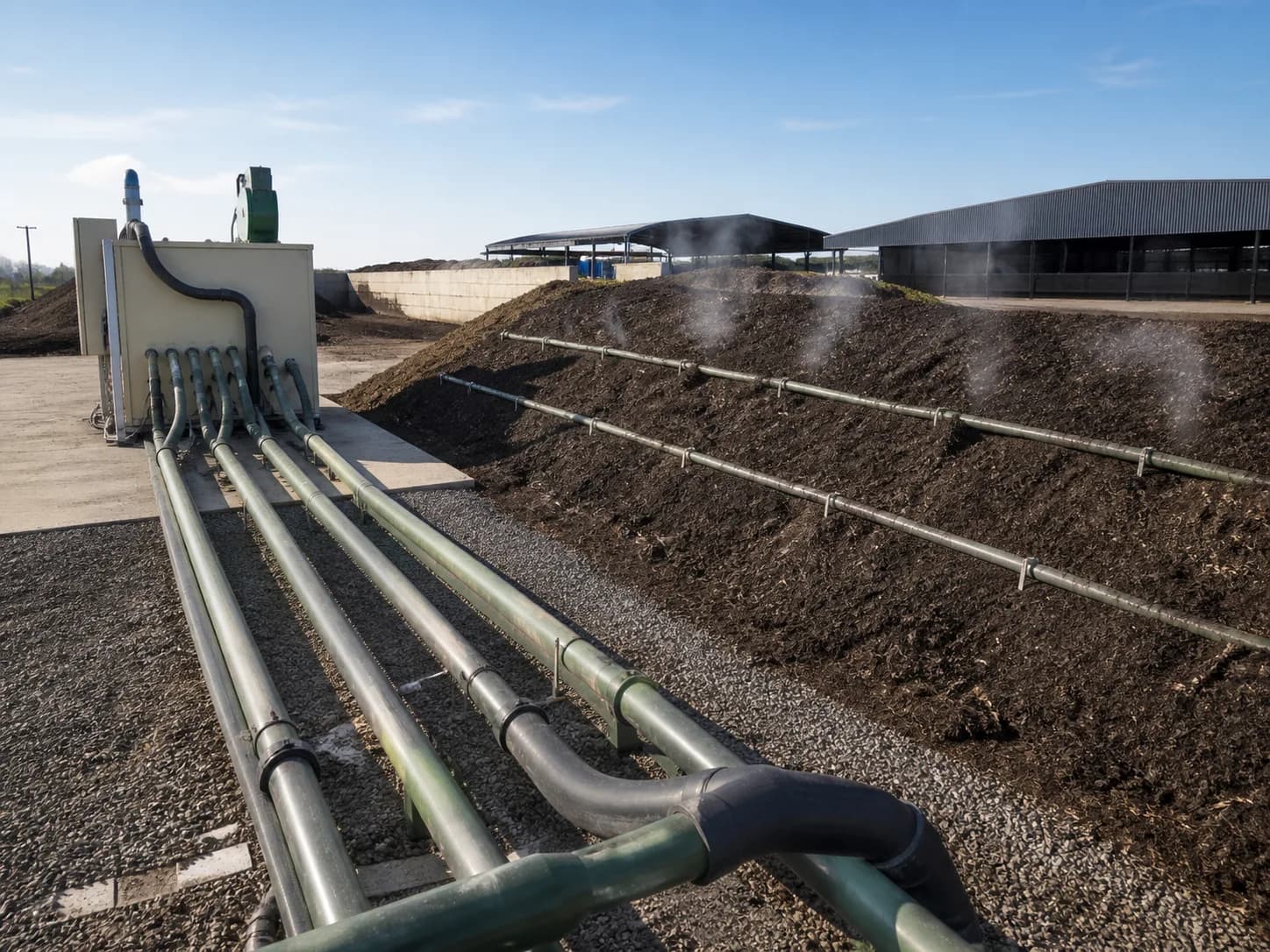
An Aerated Static Pile system supplies controlled airflow to support biological decomposition.
04
The compost is given time to stabilize and mature before final use.
05
Nutrient-rich compost returns to landscapes, agriculture, and soil improvement programs.
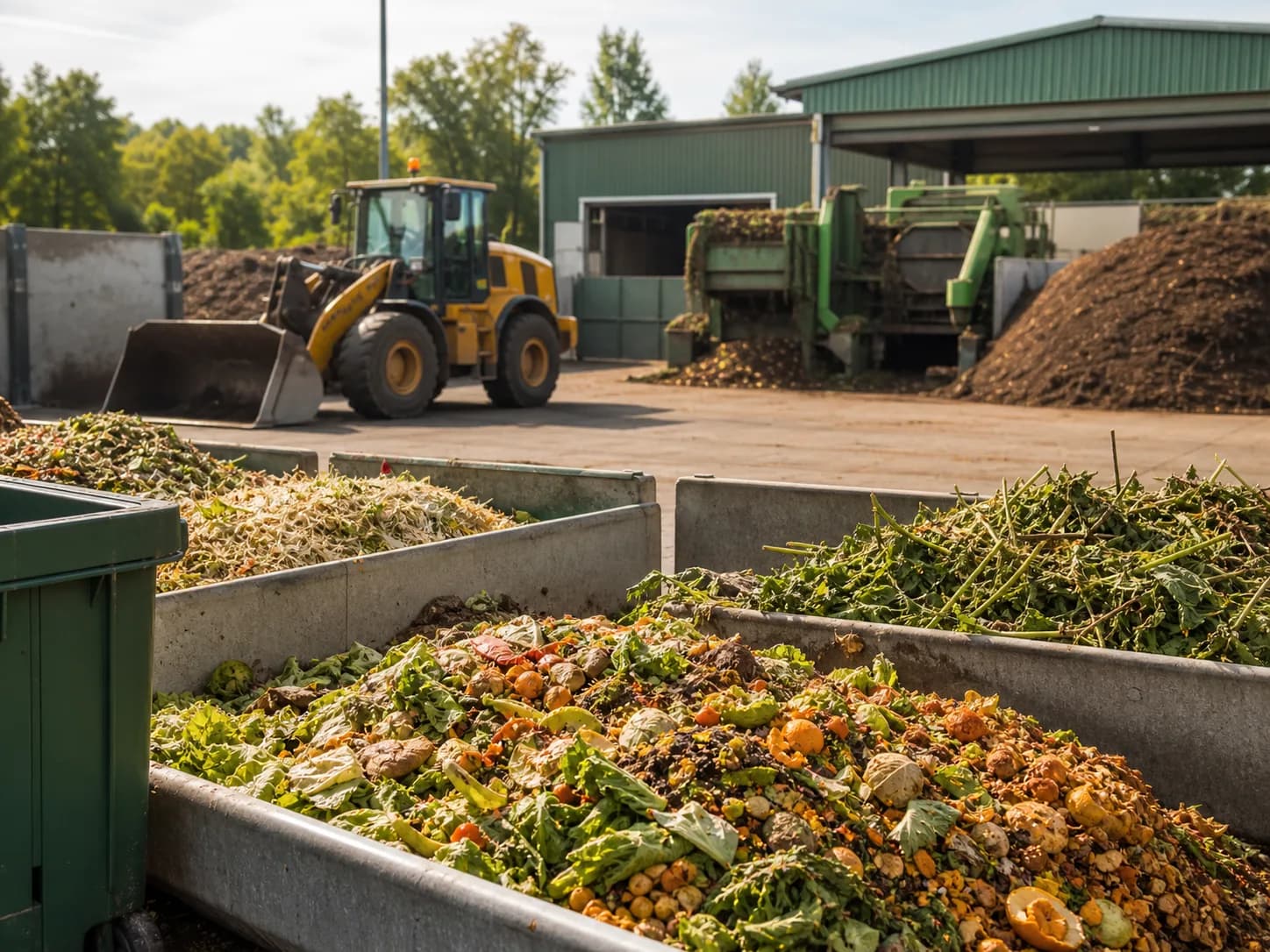
Incoming organics are inspected, blended, and moved through a controlled process designed to support decomposition, curing, and beneficial reuse. This operational flow helps connect the physical facility with the center's monitoring, training, and improvement work.
Accepted Materials
Compostable materials are managed according to facility requirements, operating conditions, and contamination policies.
Accepted materials may vary depending on facility requirements and contamination policies. We do not accept any canned food donations or deliveries at this time.
Process Highlight
Green Compost Center uses an Aerated Static Pile composting approach, where prepared organic materials are formed into managed piles and supplied with controlled airflow.
The aeration system helps maintain suitable conditions for microbial activity and supports efficient biological decomposition without requiring continuous mechanical turning.
After the active composting phase, the material moves into curing before becoming mature compost suitable for beneficial reuse.
Organic Materials
Material Preparation
Aerated Static Pile
Curing
Finished Compost
Broader Impact
Composting provides benefits that extend beyond reducing the amount of organic material sent to landfill.
Recovering organic materials reduces dependence on landfill disposal while transforming biodegradable waste into compost that can return valuable nutrients to productive soils.
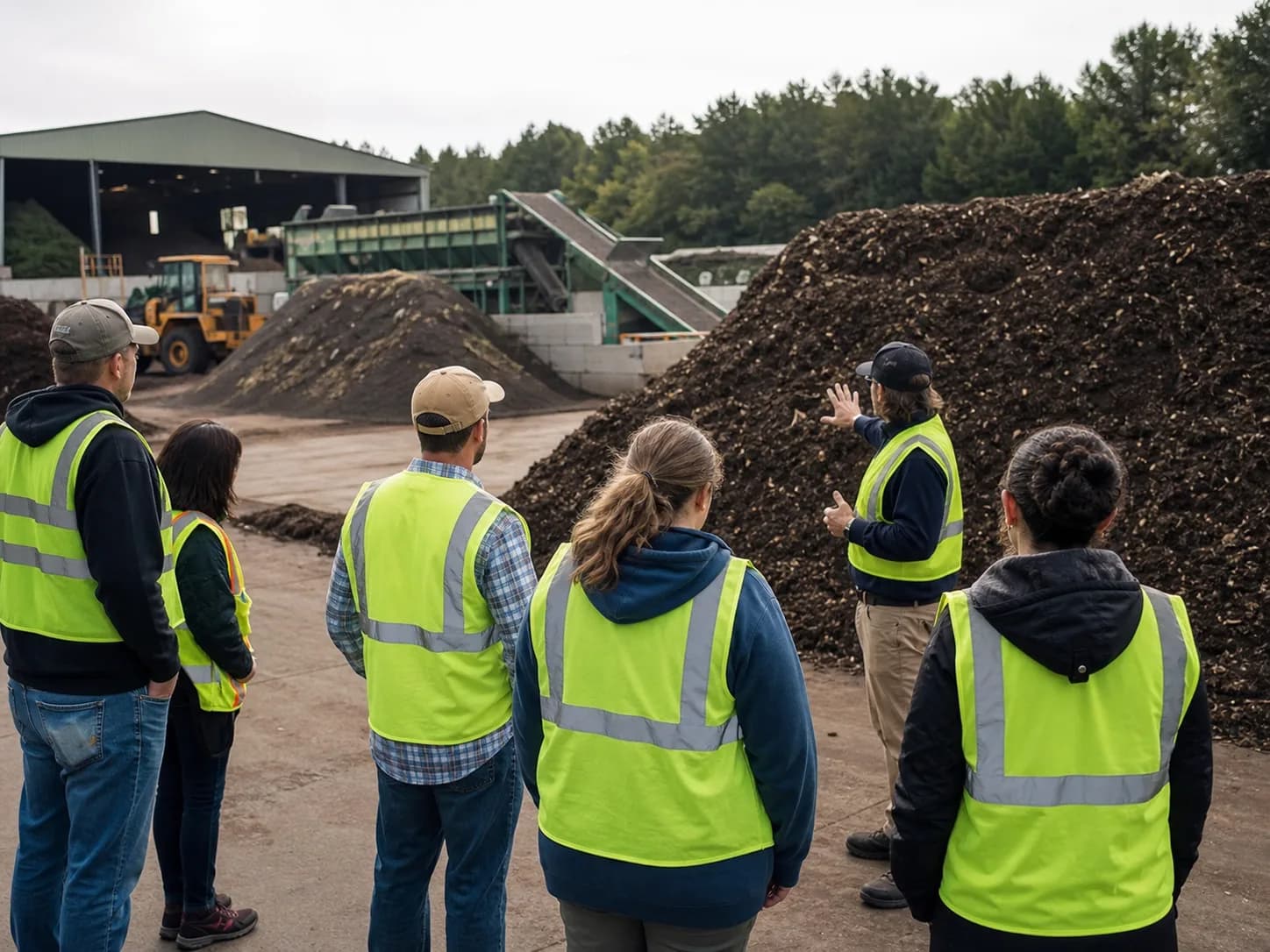
The center can support hands-on learning, facility visits, professional training, and greater understanding of sustainable composting and organic waste management practices.
Green Compost Center supports applied research, process evaluation, compost quality studies, and the continued development of more effective composting practices.
Learning & Applied Improvement
Facility visits, field observation, and practical monitoring can help teams understand how collection quality, composting conditions, curing, and finished compost use all connect within a responsible organic waste management program.
Circular Impact
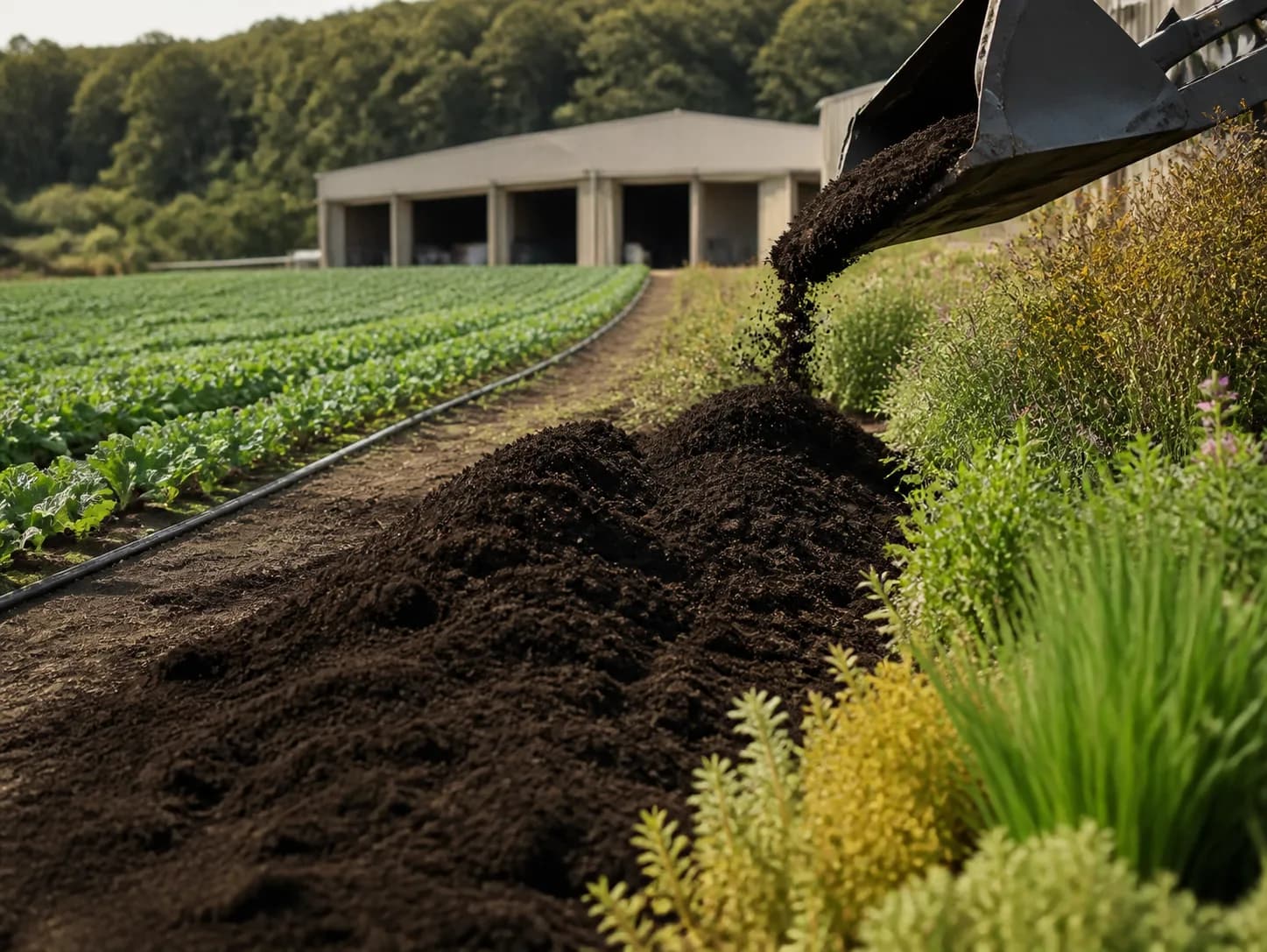
At Green Compost Center, organic waste is treated as a recoverable resource rather than simply a disposal problem.
Organic materials move through collection, preparation, controlled composting, and curing before being transformed into finished compost that can return nutrients to productive soils.
The use of finished compost can support productive growing areas and agricultural applications, contributing to approximately 9,000,000 lbs of produce annually.
Facility Visuals
Explore how organic materials move through collection, preparation, composting, curing, and beneficial reuse within the facility.
Organic materials are recovered from dining, workplace, residential, public, and event-based sources.
Prepared material moves through handling, aerated composting, curing, and quality observation.
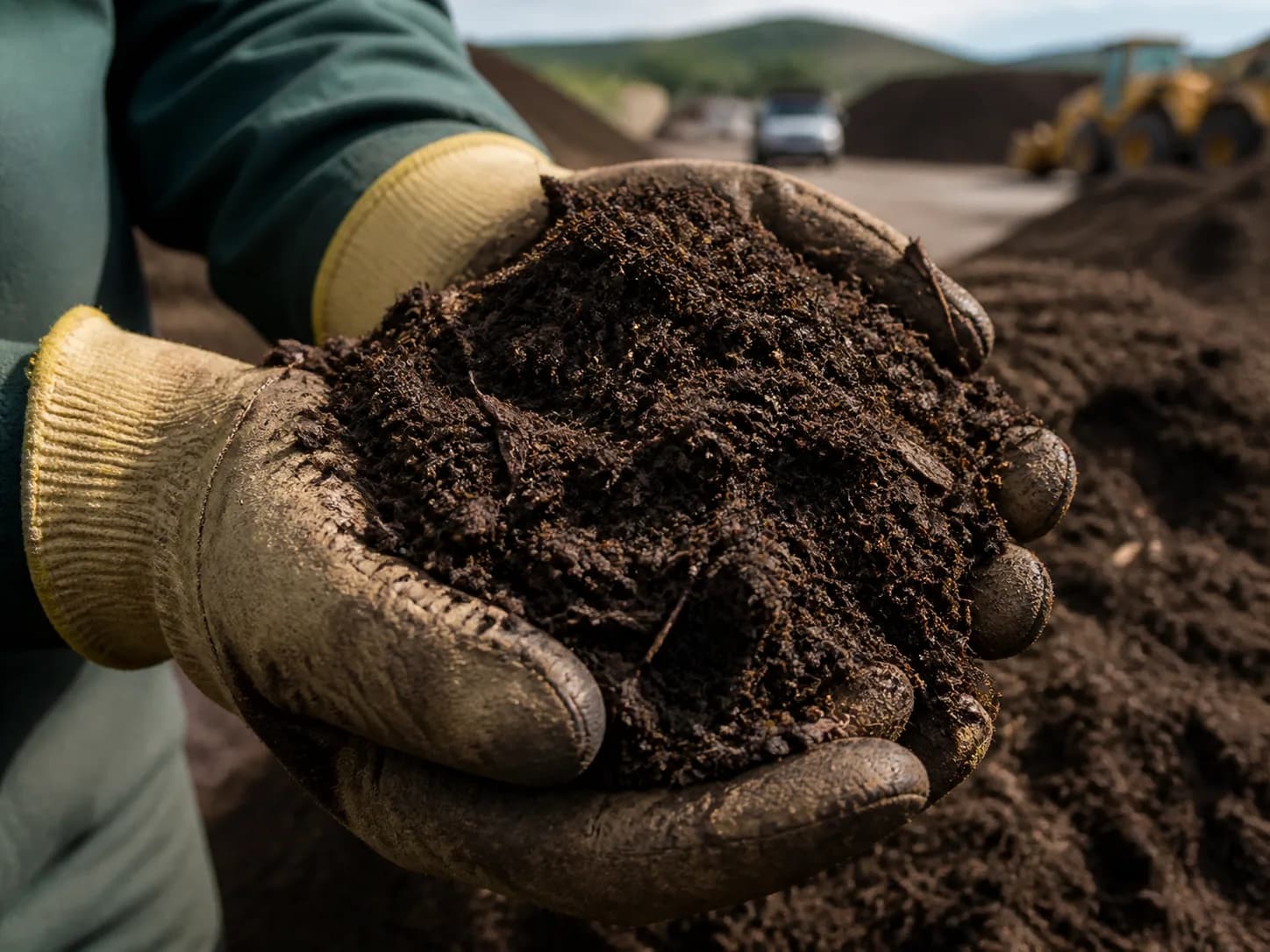
Finished compost can support productive soils, landscapes, and agricultural applications.
Contact
Learn more about Green Compost Research and Development Center, our composting facility, research activities, and sustainable organic waste management approach.
630 Motor Pool Street, Sullivan Shops III
Campus Box 7516
Raleigh, NC 27695